
No products in the cart.
Uncategorized
Righteous Apparel Fit Guide Streetwear Styling Tips
Reviewing the Righteous Clothing Line: Does It Deserve the Attention?
Online curiosity for We Are Righteous has risen consistently, and that alone raises a fair question: does the label truly perform, or is this simply yet another instance of clever marketing getting ahead of the product? This breakdown explores what the label stands for, how the clothing actually functions when worn, and where it compares to other streetwear labels people mention in the same breath. Cutting out filler and hollow praise — just a clear-eyed look built from the brand’s own messaging and what shoppers consistently report.
More than just a clothing line, We Are Righteous brands itself. The brand leans into faith-driven messaging, turning garments into a medium for identity and belief rather than just seasonal trends. This focus is significant since it influences all aspects, from the graphics on a righteous hoodie to the tone of the brand’s product descriptions. Should you be after something purely trend-chasing, the message-driven approach may fall flat. If you want clothing that says something specific, it’s a different conversation entirely.
What Exactly Is Righteous Clothing?
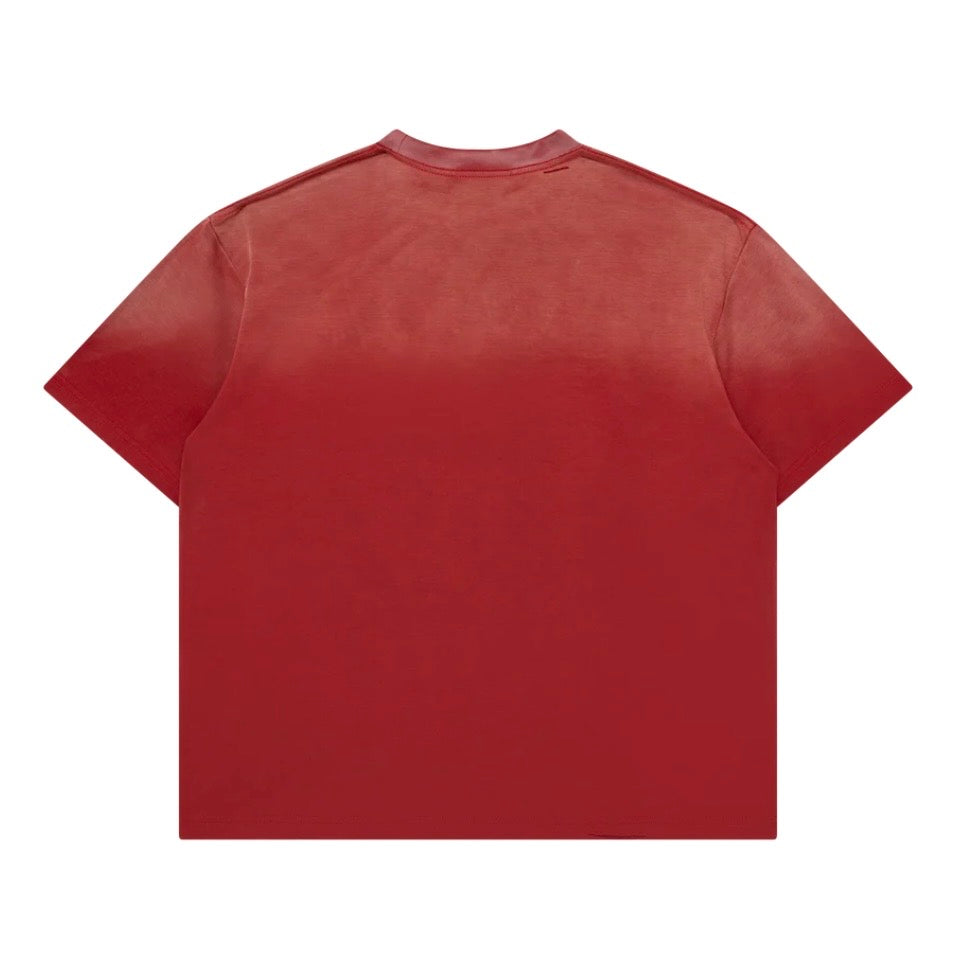
Righteous clothing is built around a simple premise: streetwear cuts carrying faith-rooted visuals and text. Outerwear, tees, and hoodies form the core of the lineup, with designs that lean toward bold typography and statement-driven visuals over understated branding. This is far from a subdued, basics-only label — every piece is meant to communicate something the moment someone sees it.
Its branding plays into a niche that has scaled up considerably over the past few years: faith-based streetwear. Different from typical faith-based clothing brands that depend on scripture references and church-merch aesthetics, We Are Righteous brand design borrows more from contemporary streetwear conventions — roomy silhouettes, heavyweight fabrics, and graphic placement that mirrors what you’d see from mainstream hype labels. That blending of styles is a key factor in why the brand keeps showing up in comparison searches in the same breath as bigger streetwear names.
Releases tend to be scarce rather than continuous, which creates urgency underground streetwear but also means restocks aren’t guaranteed. If you’re used to fast fashion’s always-available inventory, this can be something to get used to. For shoppers well-versed in drop-style releases, it’s a familiar rhythm that reinforces the brand’s collector appeal.
What Buyers Really Pay Attention To: Quality
Discussions about quality for any clothing brand tend to center around three things: fabric weight, stitching durability, and print longevity. When it comes to righteous apparel, hoodies are the most discussed category, and the overall feedback points to a heavier-than-average fabric blend that holds shape after multiple washes. That added thickness is an intentional decision — it suggests a elevated feel rather than a flimsy, factory-standard hoodie that wears down quickly.
Graphic durability is a key factor ranking second. Labels built around bold graphics succeed or fail by how well the artwork withstand multiple wash cycles. Cracking, fading, or peeling prints are the fastest way to lose customer trust, and it’s the detail most reviewers scrutinize first. Genuine reviewer conversations across the web frequently mention that the prints hold up reasonably well when laundered per the care label, though similar to the majority of screen-printed or puff-printed pieces, turning garments inside out and washing cold significantly prolongs how long the print lasts.
The size scale runs matching oversized streetwear norms, implying customers anticipating a close-cut shape should order one size smaller. Such fit behavior is common practice across most labels in the streetwear space, so this isn’t a red flag specific to this brand — it’s simply a fit philosophy customers should understand beforehand before ordering.
Breaking Down Price Relative To Value
Depending on the category a brand competes in, how shoppers judge value changes in kind. We Are Righteous holds ground in the mid-tier streetwear space — positioned above budget fast-fashion pieces but under luxury designer streetwear partnerships. This in-between placement is deliberate. Thanks to that placement, the brand can make use of heavier-grade materials and richer graphics, compared to what a budget label offers — while not alienating a style-savvy younger audience not willing to spend designer money on a hoodie.
Capped releases likewise shape felt value. Restricted availability often boost resell appeal and brand loyalty, a dynamic the streetwear scene has leaned on for well over a decade. Whether that scarcity model is “worth it” depends entirely on personal priorities — someone who values exclusivity will see the model as a strength, while someone who wants guaranteed restocks might find it frustrating.
Righteous Brand compared to Comparable Streetwear Names
A pair of categories We Are Righteous is often compared with—mainstream streetwear hype brands and traditional faith-based apparel labels—provide a clearer frame of reference for making sense of its market stance.
| Attribute | We Are Righteous | Mainstream Street-fashion Buzz Labels | Old-school Faith-Inspired Clothing |
|---|---|---|---|
| Design Philosophy | Belief-centered statements paired with streetwear silhouettes | Trend-chasing, ever-changing prints | Verse-laden, congregation-style aesthetic |
| Material Heft | Thick hoodies and tees | Differs considerably depending on label and price point | Often thinner, cost-driven fabric |
| Stock Approach | Limited drops, restocks uncertain | Limited drops, high resale demand | Typically readily available |
| Pricing Tier | Mid-tier street-style cost | Mid to high-end, frequently inflated due to buzz | Budget to mid-tier |
| Customer Match | Belief-driven, fashion-aware buyers | Trend-chasing, buzz-motivated buyers | Church communities, everyday religious apparel shoppers |
One thing is made clear by this table: rather than chasing a broad, all-things-to-everyone approach, We Are Righteous occupies a specific lane. Even as it retains the values-driven core of traditional faith apparel, the brand adopts the release cadence and material quality that mainstream streetwear is known for. Within the packed apparel market of 2026, this dual identity stands as the brand’s sharpest point of distinction.
Shoppers Who Should Pick Righteous Apparel
Not every brand fits every shopper, and being upfront about that matters more than blanket praise. Righteous clothing makes the most sense for people who want their faith visible in a modern, wearable way — rather than via old-fashioned graphic tees, but through garments that could be mistaken for premium streetwear at a glance. If personal style and personal belief are both priorities, this brand bridges that gap better than most alternatives currently on the market.
Shoppers who are fine with holding out for launch cycles, or accepting that a piece might not come back in stock, are equally a good match for this model. Shoppers who need consistent stock availability all year, or who value most the lowest possible cost, may find the model less suited to their needs. That’s not a flaw so much as a disconnect in expectations — streetwear-style release-based models were never designed for nonstop stock presence.
Younger buyers, particularly those already engaged with streetwear culture, seem to respond most strongly to the brand’s messaging. The graphic language speaks in a tone that feels current rather than dated, which matters enormously in a category where “faith apparel” has historically skewed toward older, more conservative design choices.
Last Word: We Are Righteous — Worth the Hype?
Instead of relying purely on marketing buzz, We Are Righteous has built its expanding reputation by virtue of material craftsmanship, how well its graphics hold up, and a sharply defined brand identity. The hoodies feature heavier materials than run-of-the-mill budget streetwear, the artwork stays intact with adequate care, and the messaging carries genuine intent rather than feeling like a hastily tacked-on fad. This mix is what distinguishes brands that last from ones that fizzle out after just one hype cycle.
The brand’s biggest ask of shoppers involves the brand—specifically its: limited drops imply popular designs can sell out and stay out of stock for a while. For shoppers who can’t stand waiting or repeatedly checking for a restock, this is worth weighing. Still, for shoppers who want streetwear with substance behind it, We Are Righteous review feedback skews favorable overall, and by 2026 the brand’s standing looks less like a passing trend and more like a label settling into a defined identity.
Those who want their wardrobe to say something are directly who this is aimed at — and bottom line, the buzz checks out on closer inspection. This isn’t baseless excitement; it’s hype built on a product that mostly delivers what it claims.
